AndaTherapyPediatric Health & Rehabilitation, home

Our therapies

What makes AndaTherapy unique is the combination of many rehabilitation therapies. Every therapy is free for families.

Movement and rehabilitation

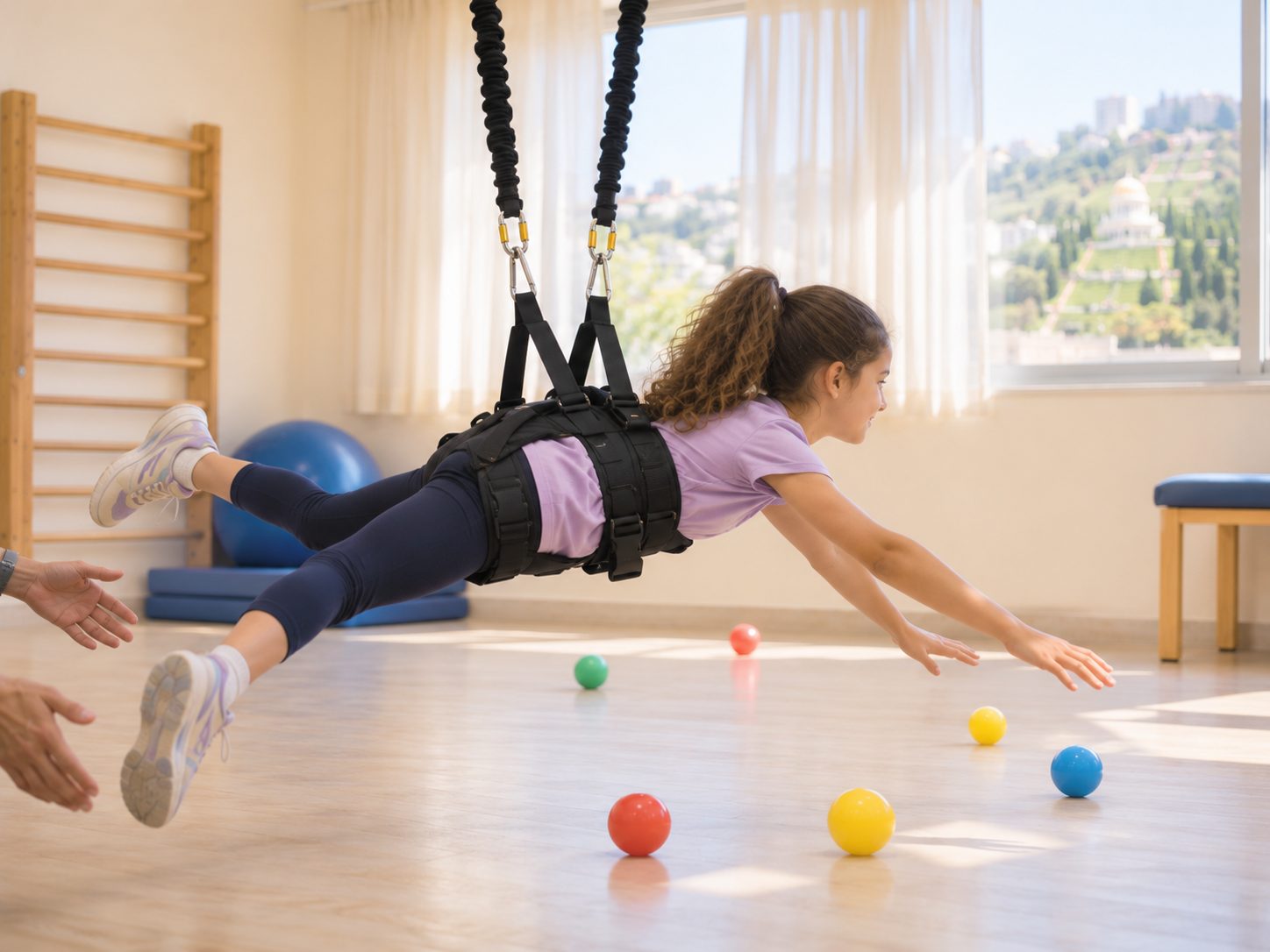
A girl in an elastic harness at a bungee therapy station

Bungee therapy

The child wears a harness attached to elastic cords that take weight off the body, joints and spine. It works like exercising in water, with a much wider range of movement and effort.

  • Strengthens and improves the musculoskeletal system and neuromuscular coordination
  • Builds endurance and motor skills for balance and stability
  • Helps reduce excess weight
  • Improves cholesterol and blood fat levels
  • Significantly improves the respiratory and cardiovascular systems
  • Encourages active movement while reducing load on the spine and joints. Similar to exercising in water or hydrotherapy, but with a much wider range of movement, working most of the body’s muscles across many levels of effort (gravity limitation)
Used for cerebral palsy, CRPS, autism, developmental delay and obesity, among others.
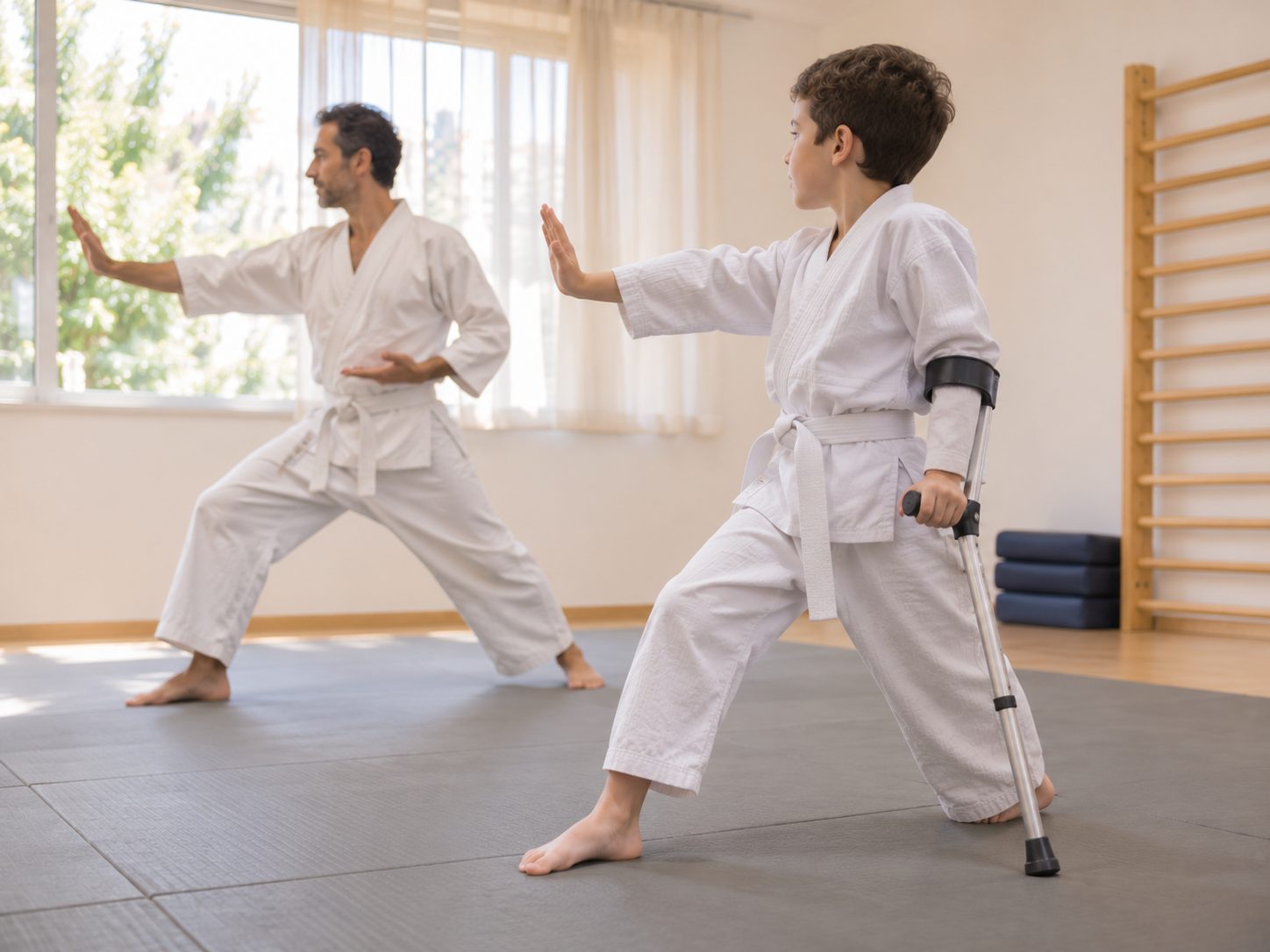
A boy and an instructor practicing budo therapy on a mat

Budo therapy

Based on the principles of traditional Japanese martial arts, in a non-competitive form. Children learn to move from stress reactions, like fight, flight or freeze, to a calm and steady presence.

  • Emotional regulation and coping with fear
  • Spatial awareness, coordination and stability
  • Fitness and self-confidence
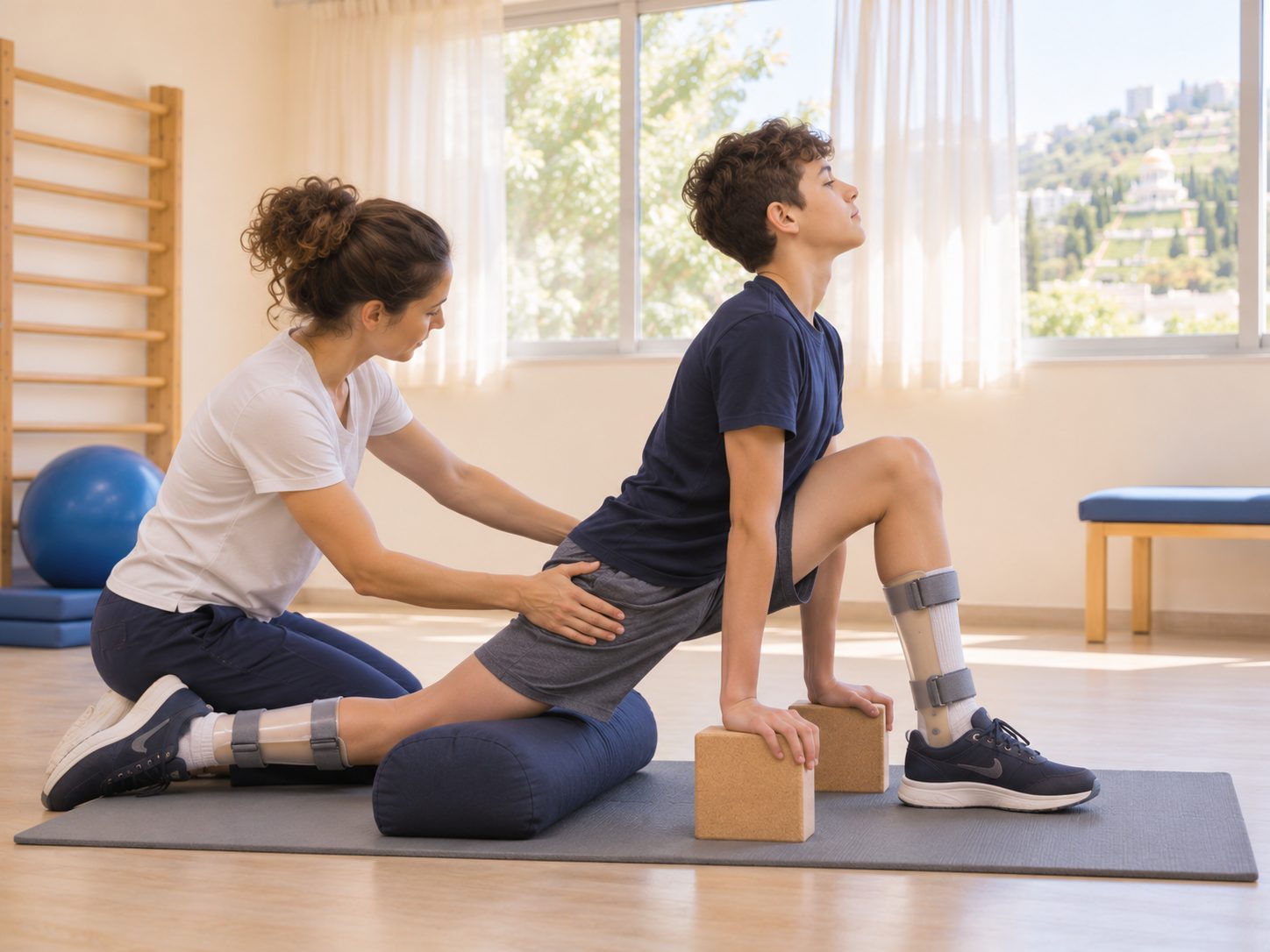
A therapist guiding a teenager through a rehabilitative yoga pose

Rehabilitative yoga and exercise

Personal practice that builds motor skills, range of motion, muscle tone, flexibility and stability. Rehabilitative exercise also teaches body control and healthy walking patterns.

Benefits of bungee therapy and rehabilitative yoga for obesity, chronic and autoimmune conditions

  • Improves neuromuscular balance, muscle tone and flexibility
  • Relieves chronic fatigue and steadies breathing
  • Helps prevent metabolic disorders
  • Significantly improves the skeletal and muscular systems
  • Activates and strengthens weak and even wasted muscles
  • Significantly improves the condition of blood vessels
  • Boosts the flow of nutrients to body tissues, including bone, and strengthens bone density
  • Lifts mood, energy and overall wellbeing

Complementary paramedical care

To manage pain, strengthen muscles, prevent wasting and deformity, and improve balance.

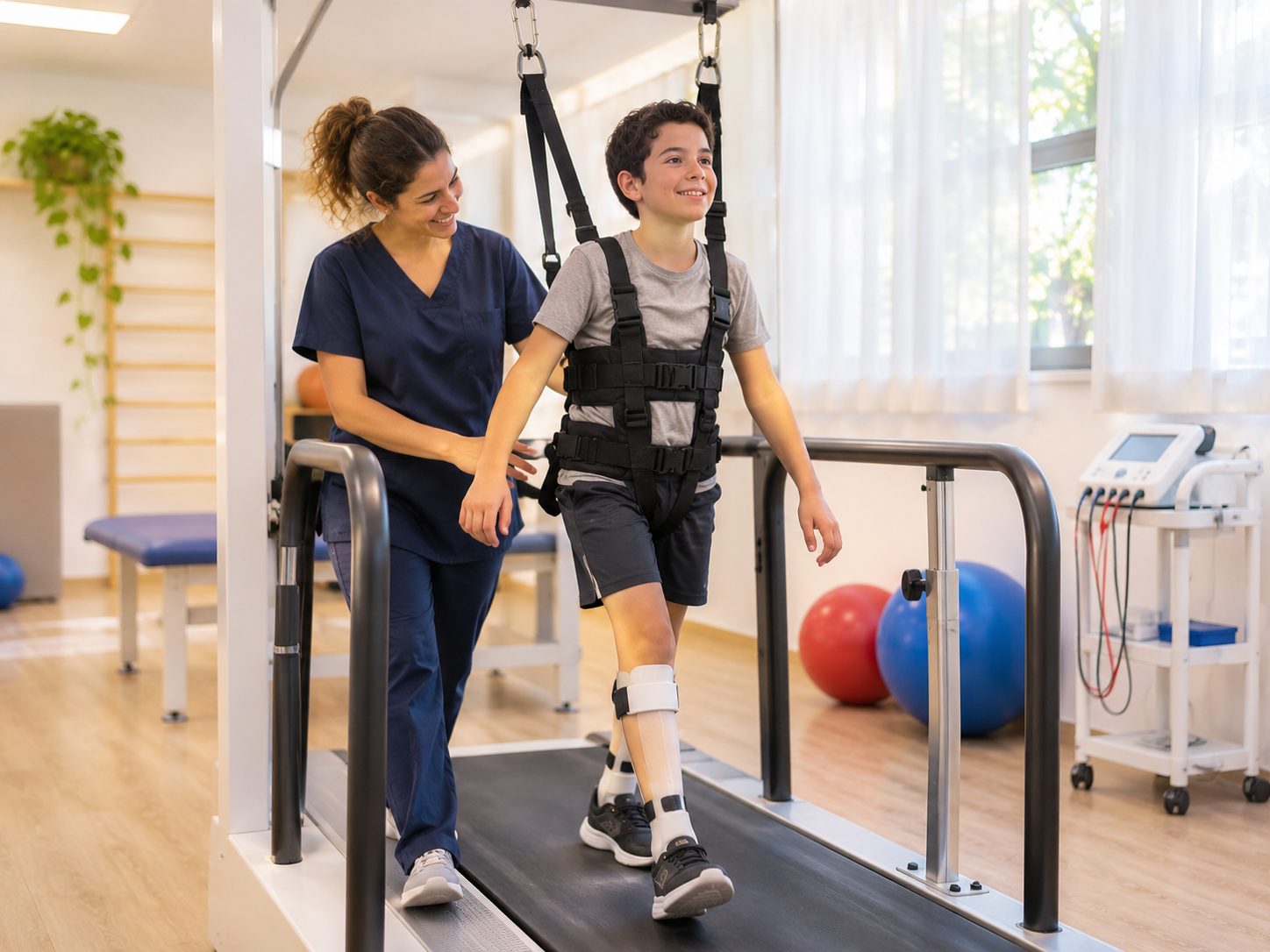
A mechanical rehabilitation device in the treatment hall
  • Active physiotherapyHands-on exercise for strength, flexibility and function.
  • ElectrotherapyElectrical stimulation and ultrasound for pain relief and muscle strength.
  • Rehabilitative medical massageFor release, relief and better circulation.
  • Advanced rehabilitation equipmentMechanical and electronic systems for children with limited mobility, to strengthen muscles and improve bone density.

Expression, art and the sea

Rehabilitation happens outside the therapy room too. Group activities build confidence, communication and friendship.

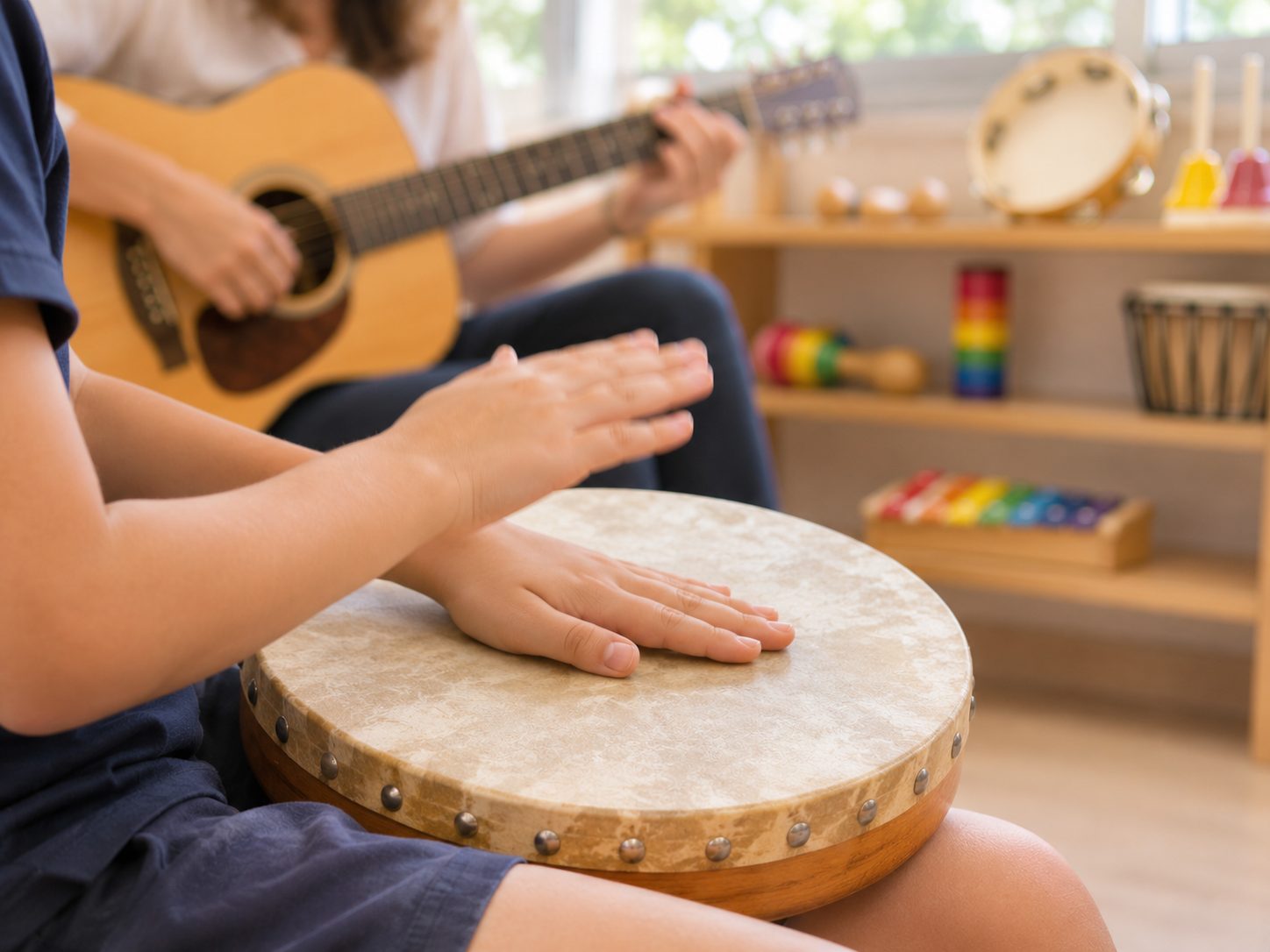
A child’s hands on a frame drum in a music room

Music, drama and art

Singing, playing and improvising to build motor skills, communication and auditory memory. Drama, psychodrama and puppet theater for emotional release and confidence, including for children who are blind. Painting and making things for self-expression.

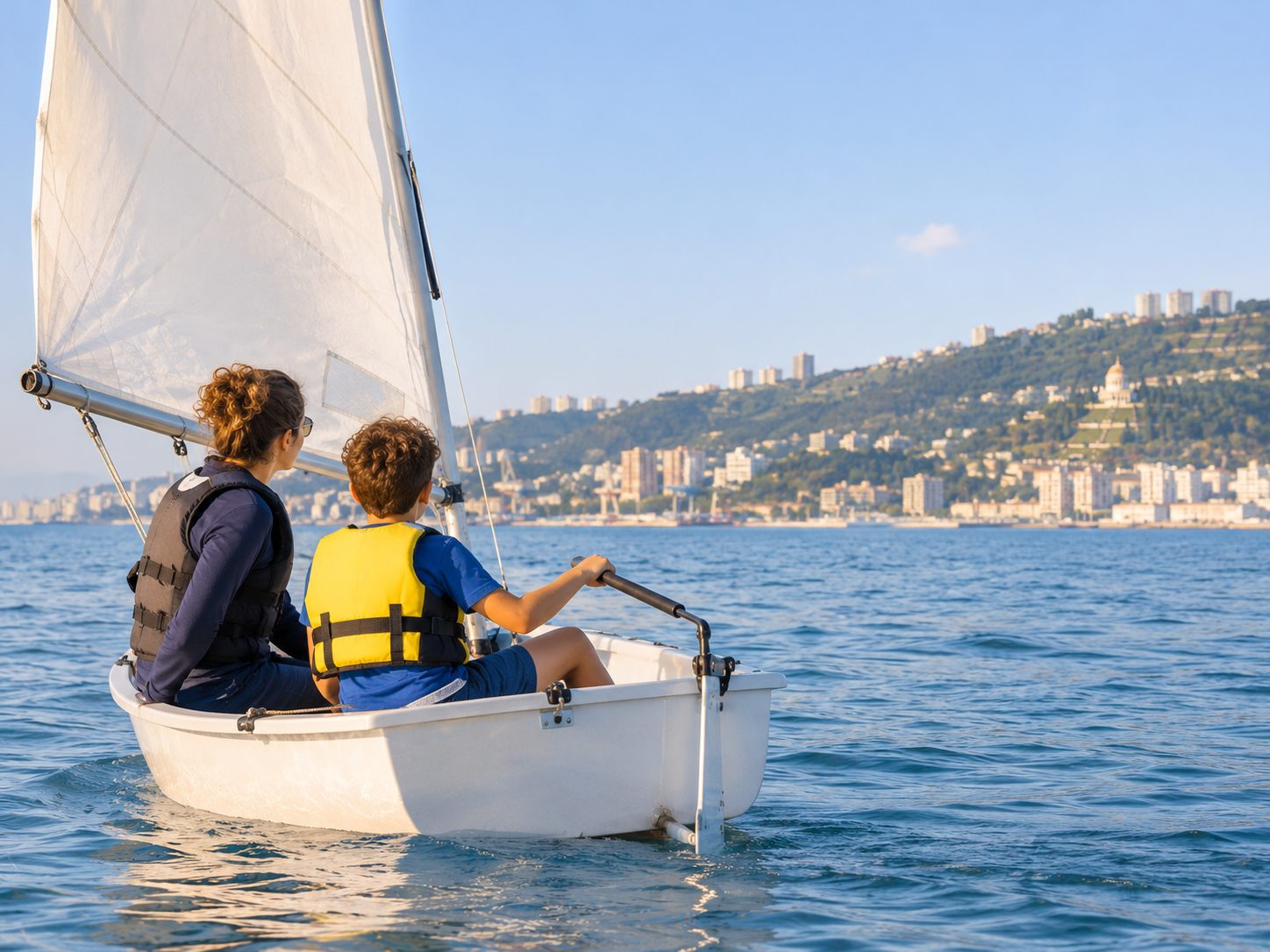
A small sailboat on Haifa Bay in the morning

Therapeutic sailing and fishing

Sessions at sea that combine physical, emotional and cognitive work. Children practice self-regulation and control, gain confidence and make friends. Especially suited to children on the autism spectrum.

More activities

  • Self-defense
  • Aviation workshops
  • Sensory regulation therapy
  • Academic tutoring
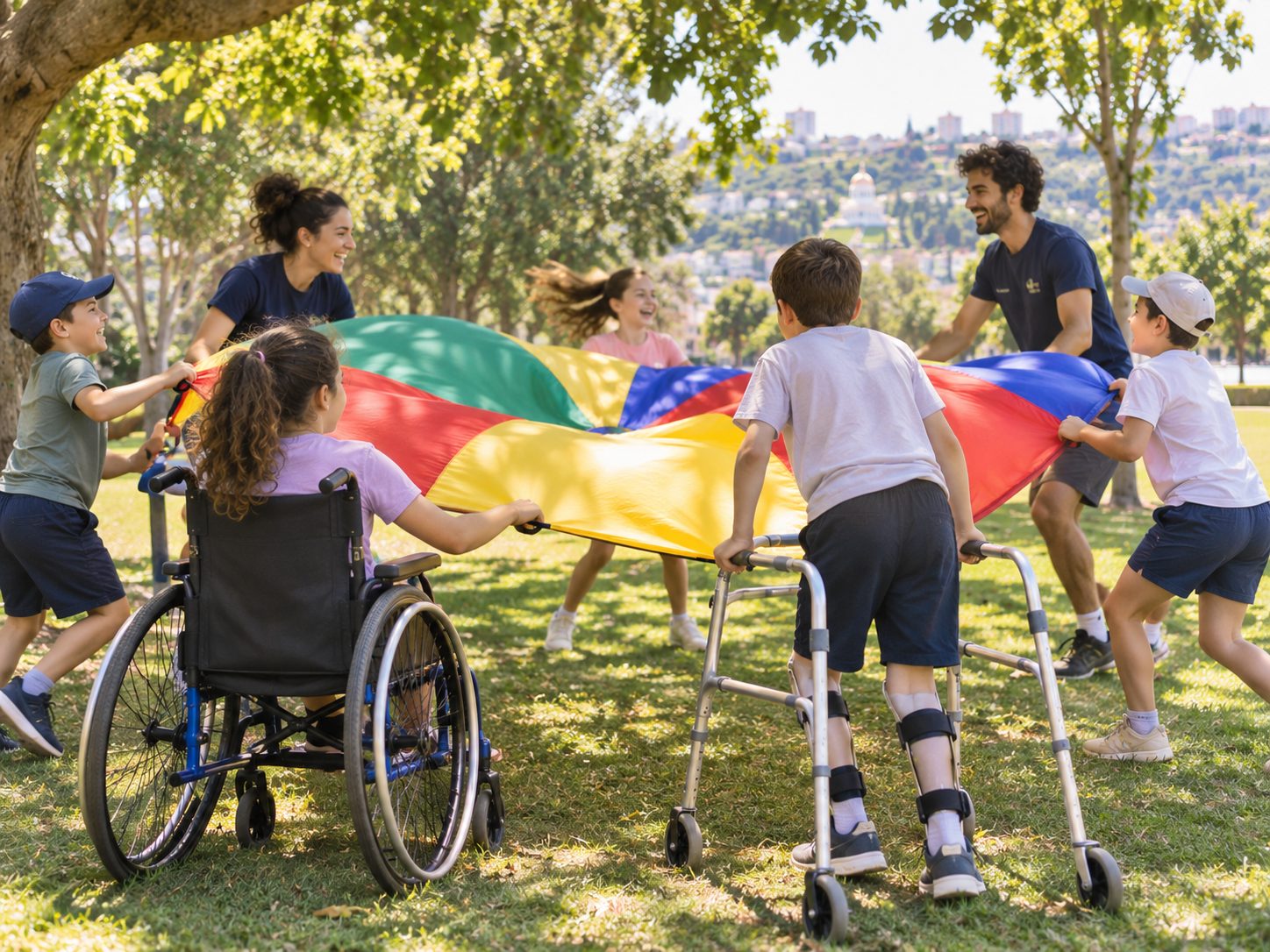
A group of children and counselors at an outdoor summer activity

Rehabilitation camps

About 70 camp days a year, over the Jewish holidays and summer break, with therapists, counselors and volunteers by each child’s side. Rehabilitation continues even when school is out.

Assessment and follow-up

  • AssessmentFunctional, neurological and rehabilitation assessment by specialists in pediatrics and rehabilitation.
  • Psychological and nutrition counselingFor the child and the family, as part of the program.
  • Ongoing follow-upWe track progress and adjust the program along the way.

Why movement?

Research over recent decades points to a link between purposeful physical activity and physical, emotional and cognitive development. Movement is the foundation of the AndaTherapy method, always combined with emotional, educational and social work.